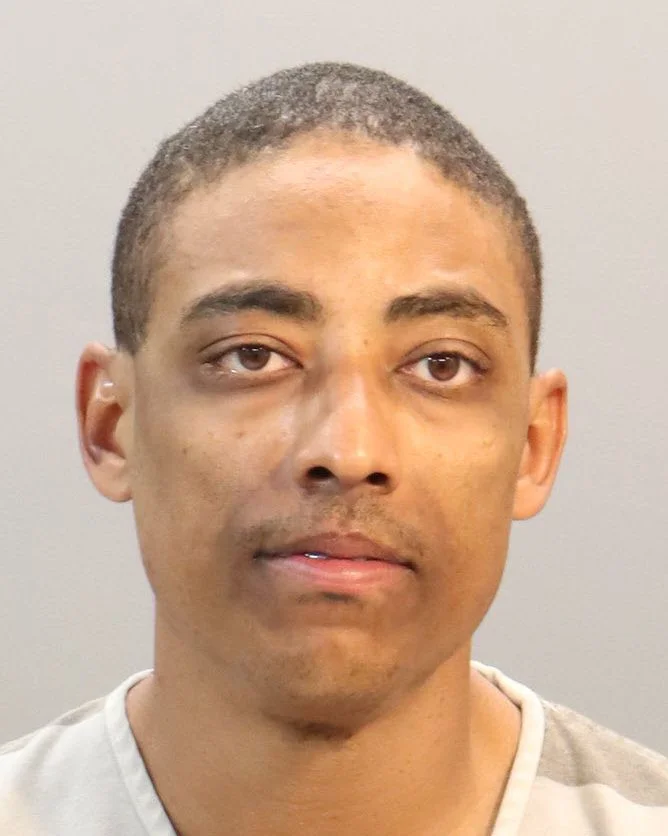
A Knox County man faces a felony robbery charge and a Class A misdemeanor indecent exposure charge following his arrest Thursday, booking records show.
Michael Blakemore was booked into Knox County custody on February 20, 2026, on charges that could result in significant jail time and thousands of dollars in fines if convicted.
The robbery charge, filed under Tennessee Code Annotated § 39-13-401, represents a felony-level offense that carries substantial legal consequences. Under Tennessee law, robbery involves the intentional or knowing theft of property from another person by violence or putting the person in fear of imminent bodily injury.
The indecent exposure charge, classified as a Class A misdemeanor under TCA § 39-13-511, carries a maximum penalty of 11 months and 29 days in jail along with fines up to $2,500. This represents the most serious level of misdemeanor offense in Tennessee's criminal code.
Combined, the charges place Blakemore at risk of extended incarceration and substantial financial penalties should prosecutors secure convictions on both counts.
Records indicate Blakemore has one prior booking in the Knox County system, suggesting previous contact with local law enforcement. The nature and outcome of that earlier booking were not immediately available.
The arrest comes during what has been a quiet day for Knox County law enforcement, with no other bookings recorded in the county jail system as of Thursday evening. This stands in contrast to typical booking patterns in Tennessee's third-most populous county, which regularly processes multiple arrests daily.
Knox County, home to Knoxville and the University of Tennessee flagship campus, typically sees steady criminal justice activity across its 526 square miles. The county's location along Interstate 40 and Interstate 75 corridors often contributes to varied criminal cases ranging from traffic-related offenses to more serious felony charges.
Tennessee's robbery statute encompasses a broad range of conduct, from armed holdups of businesses to street-level thefts involving threats or violence. The specific circumstances that led to Blakemore's robbery charge remain unclear from available court records.
Indecent exposure charges in Tennessee typically involve intentional exposure of private parts in public places or in the presence of others in circumstances likely to cause affront or alarm. The Class A misdemeanor designation reflects the legislature's view that such conduct represents serious antisocial behavior warranting significant criminal penalties.
The timing of both charges suggests they may stem from a single incident or related series of events, though booking records do not specify whether the alleged offenses occurred simultaneously or separately.
Knox County Sheriff's Office deputies and Knoxville Police Department officers regularly collaborate on criminal investigations throughout the metropolitan area. The agency responsible for Blakemore's arrest was not immediately specified in available records.
Tennessee's criminal justice system treats robbery as a serious violent offense, placing it among crimes that often result in substantial prison sentences upon conviction. The state's sentencing guidelines consider factors including criminal history, the specific circumstances of the offense, and the defendant's cooperation with authorities.
Class A misdemeanors like indecent exposure, while less severe than felony charges, still carry meaningful consequences that can impact employment, housing, and other aspects of a defendant's life. Tennessee courts have discretion in sentencing but must operate within statutory maximums established by the legislature.
The Knox County Criminal Court system will likely handle Blakemore's case, with proceedings potentially stretching over several months depending on plea negotiations and trial scheduling. Tennessee's court system has worked to address case backlogs that built up during recent years, though serious felony cases often require extensive preparation time.
Public defenders or private counsel will represent Blakemore as his case moves through the court system. Tennessee law guarantees legal representation for defendants facing charges that could result in incarceration.
Bond information and upcoming court dates were not immediately available from Knox County jail records. Tennessee magistrates typically set initial bond amounts based on charge severity, flight risk, and public safety considerations.
The arrest adds to ongoing criminal justice activity across East Tennessee, where law enforcement agencies continue investigating and prosecuting various offenses. Knox County's proximity to multiple interstate highways and its status as a regional economic center contribute to diverse criminal case loads.