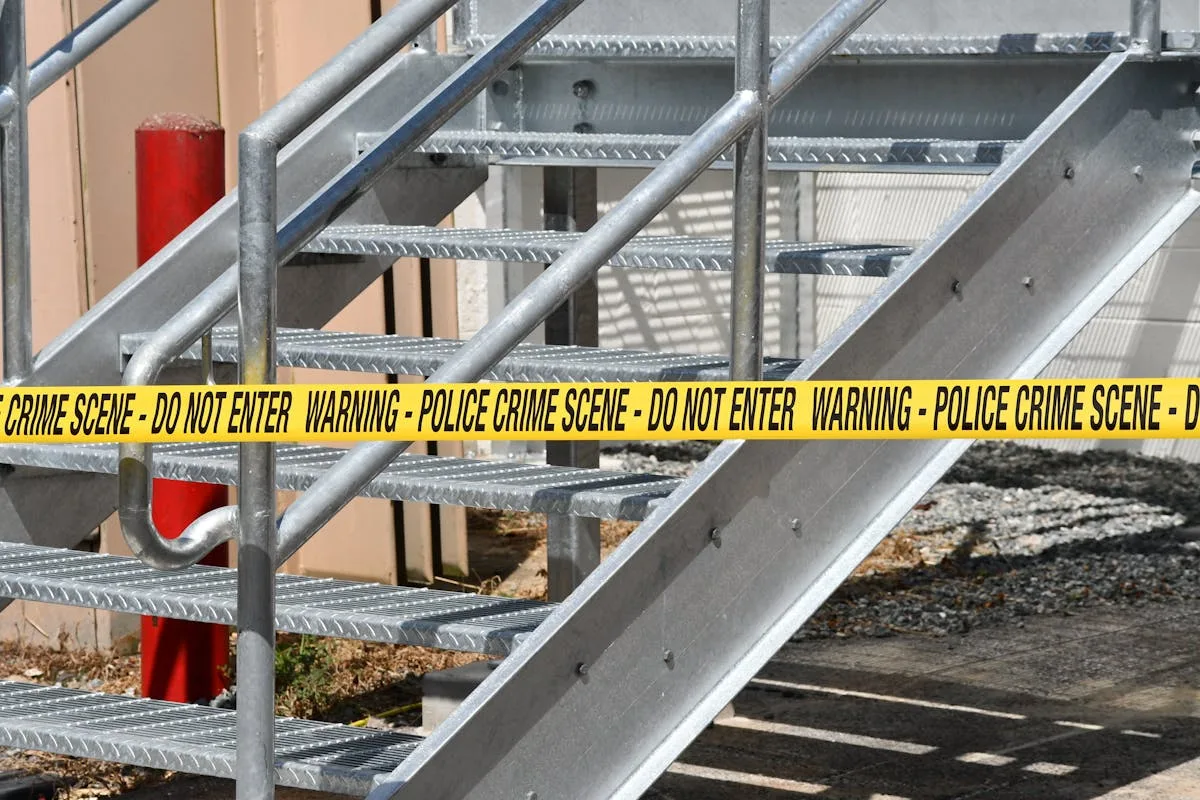
A Memphis woman now sits in Shelby County Jail facing decades behind bars after being charged with second-degree murder in a fatal shooting that has left a family without answers and a community grappling with another act of deadly violence.
Takyra Hibbler was booked Thursday on charges of second-degree murder and use of a firearm during the commission of a dangerous felony, according to jail records. The charges stem from what authorities describe as a shooting that claimed one life and forever altered countless others.
The firearm enhancement charge alone carries severe penalties under Tennessee law. When someone uses a gun while committing certain violent felonies, the state mandates additional prison time that cannot be reduced through parole or early release programs.
Hibbler's arrest marks a somber milestone in what has been an unusually quiet day for law enforcement in Shelby County. Booking records show no other arrests were processed Thursday, making this murder case the sole focus of the county's criminal justice system.
Second-degree murder in Tennessee applies when someone intentionally kills another person but without the premeditation required for first-degree murder charges. The crime also covers situations where a death occurs during the commission of certain felonies, even if killing wasn't the original intent.
The penalties reflect the serious nature of these charges. Second-degree murder is a Class A felony carrying a sentence of 15 to 60 years in prison. Tennessee law requires defendants convicted of this charge to serve at least 51% of their sentence before becoming eligible for parole consideration.
The firearm enhancement adds another layer of consequences. Under Tennessee Code Annotated § 39-17-1324, using a gun during dangerous felonies triggers mandatory minimum sentences that run consecutive to the underlying crime. This means Hibbler could face decades in prison if convicted on both counts.
Records indicate this isn't Hibbler's first encounter with the Shelby County criminal justice system. Database records show one prior booking in the county, though details of that earlier case weren't immediately available.
The investigation that led to these charges likely involved multiple law enforcement agencies working to piece together the events surrounding the fatal shooting. Memphis Police Department homicide detectives typically lead such investigations, often working alongside the Tennessee Bureau of Investigation when firearms are involved in violent crimes.
Forensic evidence collection, witness interviews, and ballistics analysis can take weeks or months to complete in murder cases. The fact that charges have been filed suggests investigators believe they have sufficient evidence to prove their case beyond a reasonable doubt.
For the victim's family, Thursday's booking represents just the beginning of what could be a years-long legal process. Tennessee's criminal justice system moves deliberately through murder cases, with extensive pre-trial motions, discovery phases, and potential plea negotiations all lying ahead.
The Shelby County District Attorney's office will now take over prosecution of the case. That office has built a reputation for aggressively pursuing murder convictions, particularly in cases involving firearms violence that continues to plague Memphis neighborhoods.
Gun violence statistics in Memphis paint a troubling picture. The city has consistently ranked among the most dangerous in America, with hundreds of shooting incidents reported annually. Each case leaves behind grieving families and traumatized communities struggling to comprehend senseless loss of life.
Defense attorneys in second-degree murder cases often explore various strategies, from challenging evidence collection procedures to arguing for lesser charges based on circumstances surrounding the shooting. The presence of the firearm enhancement charge suggests prosecutors believe they have strong evidence of weapon use.
Tennessee's judicial system requires defendants charged with violent felonies to appear before magistrates for initial hearings, typically within 48 hours of arrest. These proceedings determine bond amounts and ensure defendants understand the charges against them.
The case will eventually move through Shelby County Criminal Court, where a jury of local residents will decide Hibbler's fate if the case proceeds to trial. Many murder cases in Tennessee resolve through plea agreements, though prosecutors often require significant prison time even in negotiated settlements.
Community advocates who work with gun violence victims stress that each arrest in a murder case represents both justice sought and tragedy that cannot be undone. No conviction can restore life or heal the wounds left by violent crime, but accountability through the criminal justice system provides some measure of closure for those left behind.