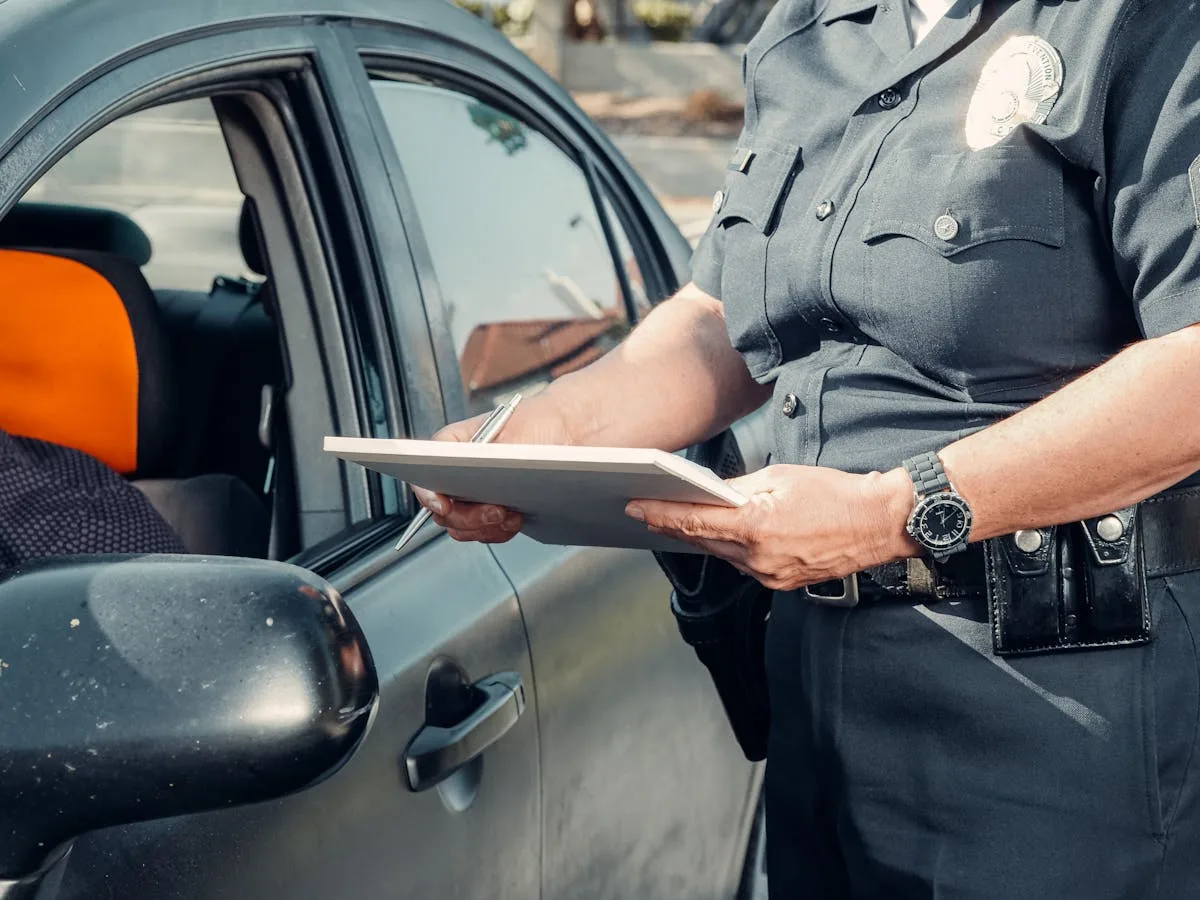
Lorenzo Miller was booked into the Shelby County jail Monday on a felony vehicular homicide charge stemming from a fatal traffic collision, according to booking records.
Miller, whose arrest represents the sole booking in Shelby County on February 24, faces charges under Tennessee Code Annotated § 39-13-213, which addresses the unlawful killing of another person through the operation of a motor vehicle.
The vehicular homicide statute in Tennessee applies when a driver causes the death of another person while operating a vehicle in a reckless manner, under the influence of an intoxicant, or while committing another traffic violation that results in death. The charge carries significant penalties, including potential prison time ranging from three to fifteen years depending on the circumstances.
Booking records show this marks Miller's second encounter with the Shelby County criminal justice system, indicating at least one prior booking in the county's records.
Vehicular homicide cases typically involve extensive accident reconstruction and investigation by law enforcement agencies. These investigations often include analysis of vehicle speeds, road conditions, witness statements, and potential impairment factors.
The Tennessee Bureau of Investigation's crash reconstruction unit frequently assists local departments with complex fatal collision cases, particularly those involving potential criminal charges. Evidence collection can include skid mark measurements, vehicle damage assessments, and toxicology testing.
Shelby County, which encompasses Memphis and surrounding areas, sees hundreds of traffic fatalities annually across its major highways and surface streets. Interstate 40, Interstate 55, and Interstate 240 form major traffic corridors through the county, along with busy arterials like Poplar Avenue, Union Avenue, and Airways Boulevard.
The vehicular homicide charge represents one of the most serious traffic-related offenses in Tennessee's criminal code. Unlike standard vehicular manslaughter, vehicular homicide requires proof of reckless conduct or other aggravating factors that elevate the incident beyond a tragic accident.
Tennessee courts have established precedents requiring prosecutors to demonstrate either gross negligence or reckless disregard for human life in vehicular homicide cases. The burden of proof extends beyond simple negligence or momentary inattention that might result in civil liability.
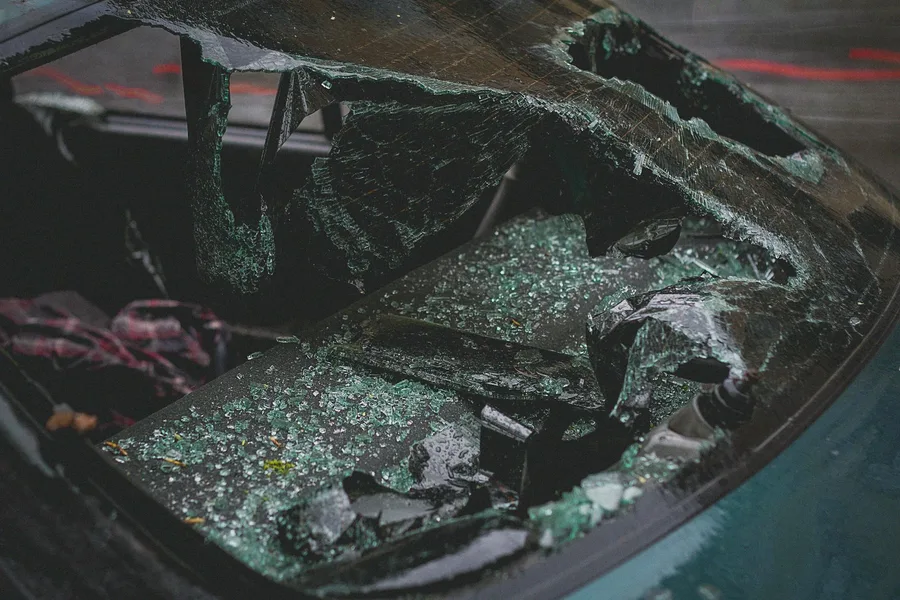
Defendants facing vehicular homicide charges often confront additional related charges, including reckless driving, driving under the influence, or violations of specific traffic regulations. The severity of potential sentences can increase substantially when multiple charges are filed in connection with a fatal collision.
The investigation leading to Miller's arrest likely involved coordination between multiple agencies, potentially including the Memphis Police Department's traffic enforcement division and the Shelby County Sheriff's Office. Fatal crash investigations can span weeks or months as authorities gather evidence and reconstruct the sequence of events.
Witness testimony plays a crucial role in vehicular homicide prosecutions, along with physical evidence from the crash scene. Modern investigations increasingly rely on surveillance camera footage from nearby businesses, traffic cameras, and even dashboard cameras from other vehicles.
Miller's case will proceed through the Shelby County court system, where he will face arraignment and potentially bond hearings. The Tennessee vehicular homicide statute allows for various degrees of penalties based on the specific circumstances surrounding the fatal collision.
Shelby County prosecutors handling vehicular homicide cases work closely with victim advocacy groups and the families of those killed in traffic crashes. These cases often generate significant emotional testimony during potential trial proceedings.
The booking Monday highlights the ongoing efforts by Tennessee law enforcement agencies to pursue criminal charges in fatal traffic collisions that involve reckless or impaired driving behavior. State officials have emphasized increased enforcement and prosecution of serious traffic offenses as part of broader highway safety initiatives.