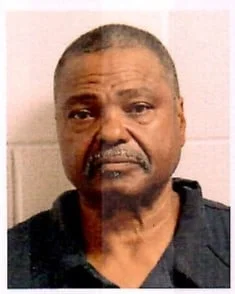
A Jackson man could face significant prison time after being arrested on felony drug manufacturing charges that authorities say threaten community safety and fuel the ongoing addiction crisis in West Tennessee.
Willie Perry was booked into the Madison County jail on February 24 on charges of drug manufacturing, delivery, and sale under Tennessee Code Annotated § 39-17-417. The felony charge carries potential penalties ranging from several years to decades behind bars, depending on the type and quantity of substances involved.
Perry's arrest adds to a growing number of drug-related cases flooding the Madison County criminal justice system. Booking records show two individuals were processed into the county jail on the same day, reflecting the steady stream of narcotics cases that law enforcement agencies across West Tennessee continue to investigate.
The drug manufacturing charge represents one of the most serious narcotics offenses under Tennessee law. Unlike simple possession or even distribution charges, manufacturing allegations suggest authorities believe Perry was involved in the actual production of controlled substances rather than merely selling or transporting them.
This marks Perry's second booking in the Madison County system, according to jail records. His previous encounter with local law enforcement also occurred in Madison County, indicating a pattern of alleged criminal activity in the Jackson area.
Drug manufacturing operations pose particular dangers to communities beyond the obvious public health concerns. Clandestine laboratories often involve volatile chemicals and unsafe conditions that can lead to fires, explosions, and toxic contamination affecting entire neighborhoods. Emergency responders frequently encounter hazardous materials when dismantling these operations, requiring specialized training and equipment.
Tennessee's drug manufacturing statute encompasses a wide range of activities, from producing methamphetamine in makeshift home laboratories to more sophisticated operations involving prescription drugs or synthetic substances. The law makes no distinction between large-scale commercial operations and smaller personal-use manufacturing setups when it comes to potential penalties.

Felony convictions under TCA § 39-17-417 can result in prison sentences ranging from three to 30 years, depending on the classification of the controlled substance and the defendant's criminal history. Repeat offenders face enhanced penalties that can effectively amount to life sentences for career criminals.
The charge also carries substantial financial consequences. Convicted defendants face fines up to $100,000 for manufacturing Schedule II substances like cocaine or methamphetamine, while those involving Schedule I drugs can result in even steeper financial penalties.
Beyond immediate criminal sanctions, drug manufacturing convictions trigger a host of collateral consequences that can affect defendants for years after their release. These include restrictions on housing, employment, professional licensing, and federal benefits that can make reintegration into society particularly challenging.
Madison County has seen its share of drug manufacturing cases in recent years as law enforcement agencies have adapted their tactics to combat evolving narcotics trends. The Jackson area, like many mid-sized Tennessee cities, has grappled with waves of different drug epidemics, from traditional methamphetamine labs to more recent synthetic drug operations.

Local authorities often work closely with federal agencies when investigating manufacturing operations, particularly those involving substances that cross state lines or utilize precursor chemicals regulated under federal law. These partnerships can result in defendants facing both state and federal charges for the same underlying conduct.
The Tennessee Bureau of Investigation maintains specialized units dedicated to investigating clandestine drug laboratories and provides technical assistance to local law enforcement agencies dealing with manufacturing cases. These resources have proven crucial in safely dismantling dangerous operations while preserving evidence for prosecution.
Perry's case will likely proceed through the Madison County court system over the coming months. Defendants charged with drug manufacturing often face complex legal proceedings involving extensive evidence review, expert testimony about laboratory operations, and detailed analysis of seized substances and equipment.
Defense attorneys in manufacturing cases frequently challenge the sufficiency of search warrants, the handling of evidence, and the qualifications of law enforcement officers who investigated the alleged operations. These cases can involve months of pretrial motions and discovery battles before reaching resolution.
The booking represents another chapter in Madison County's ongoing efforts to combat drug-related crime that continues to impact families and neighborhoods throughout the Jackson area. Local treatment advocates emphasize that enforcement efforts must be coupled with robust addiction services to address the underlying demand that drives these illegal operations.