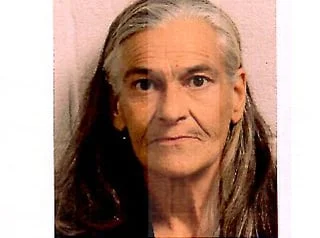
Rebecca Craft was arrested Sunday and booked into the Madison County jail on felony charges related to drug manufacturing, delivery and sale, according to booking records.
The charges against Craft fall under Tennessee Code Annotated § 39-17-417, which covers the manufacture, delivery or sale of controlled substances. Jail records show she was processed into custody on February 9.
Court documents indicate this marks Craft's third booking in Madison County within our database system, with previous arrests also occurring in the same jurisdiction. Her criminal history shows a pattern of encounters with local law enforcement in the Jackson area.
The specific details surrounding the circumstances of her arrest have not been released by Madison County authorities. Drug manufacturing and delivery charges typically stem from investigations involving the production or distribution of controlled substances, which can range from prescription medications to illegal narcotics.
Under Tennessee law, manufacturing, delivering or selling controlled substances carries serious penalties. The classification as a felony indicates the charges involve significant quantities of substances or repeat offenses that elevate the severity of the case.
Craft's arrest was one of two bookings processed at the Madison County jail on Sunday, records show. The facility, located in Jackson, regularly processes arrests from across the county's law enforcement agencies.
Madison County encompasses Jackson, Tennessee's seventh-largest city, along with numerous smaller communities and rural areas. The county's location along Interstate 40 and its proximity to major metropolitan areas often makes it a transit point for drug trafficking operations moving through West Tennessee.
Local law enforcement agencies, including the Jackson Police Department and Madison County Sheriff's Office, frequently collaborate on drug-related investigations. These efforts often involve surveillance operations, controlled buys, and coordination with state and federal agencies to combat the distribution of illegal substances.
The Tennessee Bureau of Investigation and Drug Enforcement Administration also maintain active operations in the region, particularly targeting larger distribution networks that span multiple counties or state lines.

Drug manufacturing charges can encompass a wide range of activities, from operating methamphetamine labs to processing prescription medications for illegal distribution. The penalties for conviction can include lengthy prison sentences, substantial fines, and permanent criminal records that affect employment and housing opportunities.
Tennessee has seen persistent challenges with drug trafficking and manufacturing operations, particularly involving methamphetamine production in rural areas and prescription drug diversion in urban centers. Madison County's position along major transportation corridors makes it a focal point for interdiction efforts.
The case against Craft will likely proceed through the Madison County court system, where she will face arraignment and potential plea negotiations. Felony drug charges typically require presentation to a grand jury for indictment before proceeding to trial.
Defense attorneys in such cases often challenge the methods used to gather evidence, including search warrants, surveillance techniques, and the reliability of informants. The prosecution must demonstrate beyond a reasonable doubt that the defendant knowingly participated in manufacturing, delivering or selling controlled substances.
Craft's previous encounters with the criminal justice system in Madison County may factor into sentencing considerations if she is convicted on the current charges. Tennessee's criminal code includes provisions for enhanced penalties for repeat offenders in drug-related cases.
The investigation that led to Craft's arrest may have involved multiple agencies and extended surveillance operations. Drug cases often develop over weeks or months as law enforcement builds evidence of ongoing criminal activity.
Madison County officials have not released additional details about the specific substances involved or the scope of the alleged operation. Such information typically emerges during court proceedings as evidence is presented and witnesses testify.