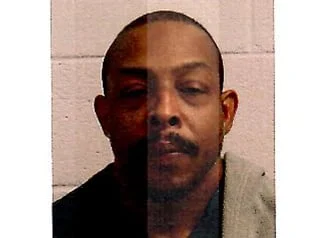
A Madison County man was arrested Sunday on charges of drug manufacturing and public intoxication, according to booking records from the Madison County Sheriff's Office.
Don-paul Wright was booked into the Madison County Jail on February 9, 2026, facing one felony charge of drug manufacturing, delivery or sale under Tennessee Code Annotated § 39-17-417, along with a misdemeanor charge of public intoxication.
The arrest marks Wright's third booking in the Madison County jail system, records show. He has been previously processed through the same facility on two prior occasions, indicating a history with local law enforcement.
The drug manufacturing charge carries significant penalties under Tennessee law. The statute covers the manufacture, delivery, or sale of controlled substances and is classified as a felony offense. Conviction on such charges can result in substantial prison time and fines, depending on the specific substances and quantities involved.
Wright also faces a Class C misdemeanor charge for public intoxication. Under Tennessee Code Annotated § 39-17-310, the maximum penalty for this offense includes up to 30 days in jail and fines up to $50.
Public intoxication charges in Tennessee require law enforcement to demonstrate that an individual appeared in a public place under the influence of an intoxicant to such a degree that they posed a danger to themselves, others, or property, or unreasonably annoyed people in their vicinity.
Madison County authorities processed two individuals through the jail system on Sunday, with Wright being one of the bookings for the day, according to jail records.
The Madison County Sheriff's Office operates the county jail facility, which serves the Jackson metropolitan area and surrounding communities. The county seat of Jackson sits along Interstate 40 in West Tennessee, making it a significant corridor for drug trafficking investigations in the region.
Details about the specific circumstances leading to Wright's arrest have not been released by law enforcement. The charges suggest investigators believe Wright was involved in manufacturing, delivering, or selling controlled substances, though the type and quantity of drugs allegedly involved remain unclear from the booking information.
Drug manufacturing cases often involve complex investigations that can span weeks or months before arrests are made. Law enforcement agencies frequently work with state and federal partners on cases involving the production or distribution of controlled substances.
Wright's case will likely proceed through the Madison County court system, where he will face arraignment on both charges. The felony drug charge will require grand jury action for indictment, while the misdemeanor public intoxication charge can be resolved at the general sessions level.
Tennessee has enhanced penalties for repeat drug offenders, and Wright's prior history in the Madison County jail system could factor into any potential sentencing if he is convicted on the current charges.
The state's drug manufacturing statute covers a broad range of activities, from large-scale methamphetamine production operations to smaller distribution networks. Penalties vary significantly based on the classification of drugs involved, with Schedule I and II controlled substances carrying the harshest sentences.
Madison County has seen its share of drug-related arrests in recent years, reflecting broader trends across Tennessee as law enforcement agencies combat the ongoing opioid crisis and methamphetamine trafficking.
Bond information and court dates for Wright were not immediately available from booking records. Defendants charged with drug manufacturing often face substantial bond amounts due to the serious nature of the allegations and potential flight risk concerns.
The case represents ongoing efforts by Madison County law enforcement to address drug crimes in the area. The sheriff's office regularly conducts operations targeting drug manufacturing and distribution networks operating in the county.