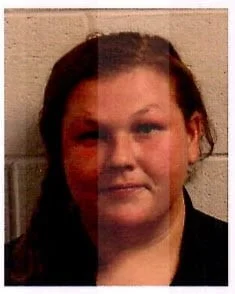
A Madison County woman faces serious felony charges that could result in decades behind bars after being booked Monday on drug manufacturing and distribution allegations.
Tawny Harris was arrested and booked into the Madison County Jail on February 17 on charges of drug manufacturing, delivery, and sale under Tennessee Code Annotated § 39-17-417, according to booking records.
The charges represent some of the most serious drug-related offenses under Tennessee law. Drug manufacturing carries enhanced penalties compared to simple possession, with sentences that can range from several years to multiple decades depending on the type and quantity of substances involved.
Tennessee Code § 39-17-417 covers the manufacture, delivery, or sale of controlled substances, with penalties that escalate based on the classification of the drug and the amount involved. First-time offenders can face between two and 12 years in prison for certain substances, while repeat offenders or those involved with larger quantities face significantly longer sentences.
The statute encompasses a wide range of activities beyond traditional street-level drug dealing. Manufacturing charges can include everything from operating sophisticated methamphetamine labs to growing marijuana operations or synthesizing other controlled substances.
Booking records show Harris has one previous entry in the county's jail system, indicating prior contact with law enforcement in Madison County.
Madison County, home to Jackson and the University of Memphis at Lambuth campus, has seen ongoing challenges with drug-related crimes. The county sits along several major transportation corridors, including Interstate 40 and Highway 45, which law enforcement officials have identified as key routes for drug trafficking operations moving between Memphis and Nashville.
Harris represents one of two individuals booked into the Madison County Jail on Monday, records indicate.
The Jackson area has been the focus of various drug enforcement initiatives in recent years, with local, state, and federal agencies coordinating efforts to disrupt manufacturing and distribution networks. The West Tennessee Drug Task Force, which includes Madison County deputies, has conducted numerous operations targeting both street-level dealers and larger trafficking organizations.
Drug manufacturing cases often involve extensive investigations that can span months or years. Law enforcement agencies typically work to build cases that include surveillance, controlled purchases, and coordination with informants before making arrests.

The charges against Harris will likely proceed through the Madison County court system, where prosecutors will present evidence gathered during the investigation. Defense attorneys in such cases often challenge the methods used to gather evidence, the chain of custody for seized materials, and the specific allegations regarding manufacturing versus simple possession.
Tennessee has implemented increasingly strict penalties for drug manufacturing offenses, particularly those involving methamphetamine and fentanyl. The state legislature has regularly updated sentencing guidelines to address the evolving nature of drug crimes and their impact on communities.
Manufacturing charges differ significantly from possession or simple distribution charges in both their legal complexity and potential consequences. Prosecutors must prove not only that controlled substances were present, but that the defendant was actively involved in their production or had intent to distribute manufactured drugs.
The Madison County Sheriff's Office and Jackson Police Department work closely with state and federal agencies on drug enforcement efforts. The Tennessee Bureau of Investigation maintains specialized units that assist local departments with complex manufacturing cases, providing technical expertise and laboratory services.
Cases involving drug manufacturing often reveal broader networks of suppliers and distributors. Investigators typically examine financial records, communication devices, and associate connections to understand the full scope of alleged operations.
Harris will face initial court proceedings where bond will be set and formal charges will be read. The case will then move through the Madison County court system, with potential outcomes ranging from plea negotiations to jury trial.
The booking represents the latest in ongoing law enforcement efforts to address drug crimes across West Tennessee, where authorities report continued challenges with both local production and interstate trafficking operations.